The kitchen is often called the heart of the home, a place of culinary creativity, comforting smells, and occasional, glorious grease splatters. While the aromas of roasting garlic and simmering sauces are wonderful, the hidden infrastructure—the ductwork—is constantly battling a silent, sticky enemy: grease. If duct maintenance is treated as a yearly chore rather than a critical component of home safety and efficiency, the results can be anything but optimal. Understanding what are the best practices for kitchen duct maintenance? is not just about keeping the air fresh; it's about preventing costly hazards and ensuring your culinary dreams don't turn into a fire risk.
This comprehensive guide will walk you through the necessary steps, from simple filter changes to professional deep cleaning, ensuring your kitchen operates at peak performance and safety.

Understanding the Stakes: Why Duct Maintenance is Non-Negotiable
Ignoring the grease buildup in your ventilation system is like ignoring a small drip in the roof; eventually, the problem gets much, much bigger. Kitchen ducts are designed to be robust, but their constant exposure to heat, steam, and airborne oils means they are always under siege. Neglecting this system is more than just a maintenance oversight—it’s a potential hazard.
The Hazards of Grease Accumulation
Grease isn't just unsightly; it’s combustible. Over time, airborne oils settle onto the metal surfaces of the hood and ducts, forming a thick, tar-like coating. This accumulation is the primary concern when considering what are the best practices for kitchen duct maintenance?

- Fire Risk: The most critical danger. Grease buildup can act like tinder, and when exposed to high heat from the cooking elements, it can ignite rapidly, leading to dangerous flare-ups that can quickly spiral out of control. Air Quality: A clogged system struggles to remove odors and pollutants effectively. Instead of circulating clean air, you might find yourself breathing a cocktail of stale smoke and trapped grease particles. Efficiency Loss: The system has to "push" through more resistance. A dirty system requires the motor to work harder, wasting electricity and reducing the overall suction power you rely on.
Health and Structural Concerns
Beyond the immediate fire risk, a poorly maintained system can impact your home's air quality and even structural integrity. We often think of ductwork as invisible plumbing, but it's crucial to remember that it plays a direct role in the air we breathe.
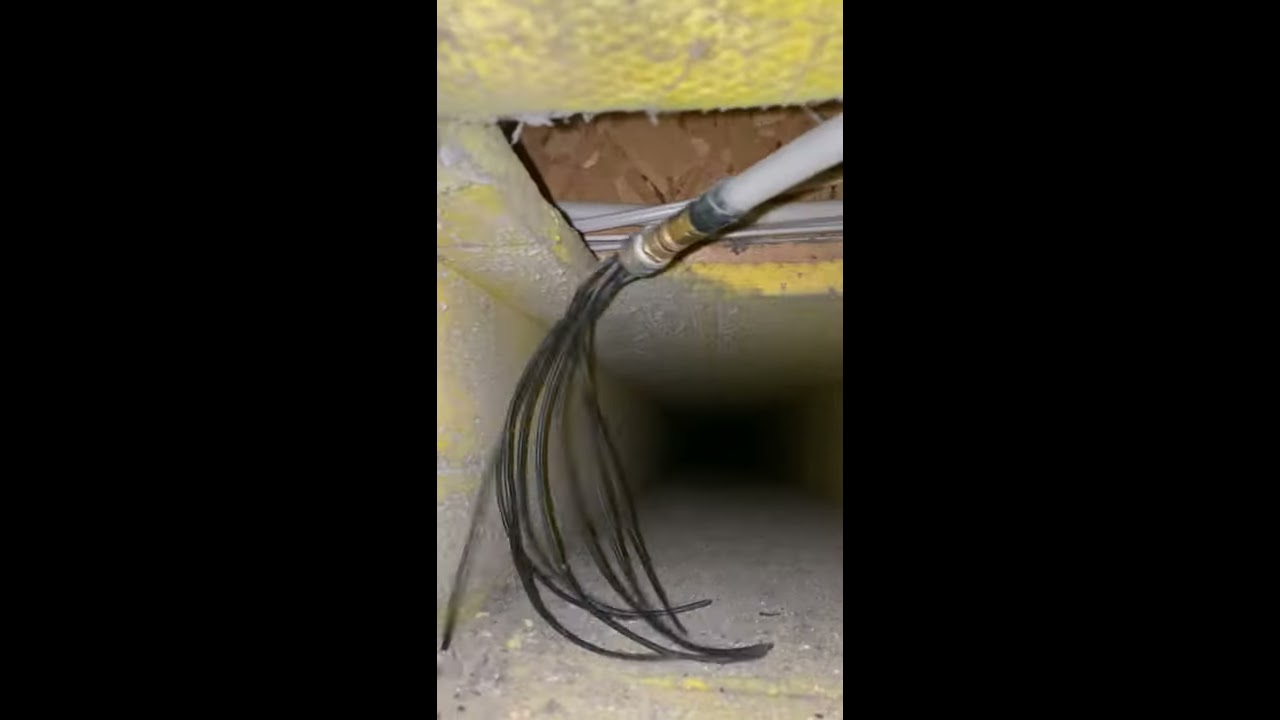
According to experts, "A clean ventilation system is the unsung hero of home air quality, protecting us from both physical hazards and lingering odors." When the ducts are choked, they can struggle to pull out volatile organic compounds (VOCs) and microscopic irritants. Shouldn't the place where we spend so much time cooking be the cleanest place in the house?
The Comprehensive Guide: Cleaning Every Component
Effective duct maintenance requires a holistic approach. You cannot simply spray down the hood and call it a day. The system is a complex machine with multiple moving, dirty parts. To know what are the best practices for kitchen duct maintenance?, you must treat the entire assembly—from the filter to the farthest vent—as a single unit.
The Exhaust Hood and Filters: The Front Line Defense
The hood itself and its immediate filters are the most visible areas of grime, but they are also the easiest to address.
- Grease Filters: These are your first line of defense. They need to be cleaned or replaced regularly. Many modern hoods use disposable or washable metal filters. Follow the manufacturer’s guidelines, but generally, soaking these filters in hot, soapy water (or using a specialized degreaser) and scrubbing them thoroughly is necessary. Hood Interior: The visible surfaces of the hood require wiping down. While grease traps are the primary concern, mineral deposits and smoke residue can also build up. A mixture of vinegar and water works wonders here, cutting through the film of built-up grime.
The Ductwork and Vents: The Deep Dive
This is where most homeowners get nervous, because the ductwork is hidden, but it is arguably the most critical area. The ducts are metal pathways, and grease loves metal.
- Internal Cleaning: Because the ductwork is inaccessible to the average homeowner, this is where professional help becomes vital. A professional cleaning service uses specialized tools, often including high-powered vacuum systems and degreasers, to reach the deepest corners and remove sludge that accumulates far from the hood itself. This process is often called "duct cleaning" or "vent cleaning." Vents and Grills: Don't forget the vent connections leading out of your house. These external vents can accumulate bird nests, leaves, and grime that can restrict airflow and create blockages.
Addressing the Exhaust Fan Motor
The motor, while Read more not directly visible, is the engine of the system. Over time, dust and grease can coat the motor components, causing it to run less efficiently and potentially overheat. When a professional performs a deep cleaning, they will typically inspect and clean the motor housing to ensure optimal operation.
Building Your Maintenance Routine: DIY vs. Professional Care
Knowing how to clean is only half the battle; knowing when to clean is the other half. A combination of routine household care and scheduled professional intervention forms the gold standard.
The DIY Maintenance Schedule
For the average homeowner, routine care should be a habit, not an emergency.
- Weekly: Clean the visible hood surfaces and wash the grease filters after heavy cooking sessions. Monthly: Inspect all visible vents and check for any obvious blockages (like small pieces of food or debris). Quarterly: Perform a thorough cleaning of the fan motor housing and surrounding areas.
When to Call in the Experts
While DIY efforts are great for surface grime, they cannot reach the interior of the ductwork. This is where the "professional deep clean" comes into play.
If you notice any of the following signs, it is time to call a professional service:
- Smoke or Odor: If your kitchen consistently smells like smoke even when cooking with minimal heat, the ducts may be struggling. Reduced Suction: If you notice that the hood seems to be "sucking" less air than it used to, the system is likely clogged and losing its breath. Visible Build-up: If the filters, even after cleaning, show a deep, persistent, black residue, the buildup is deeper than surface grime.
Sustaining the Clean: Making Your System Last
The ultimate goal of maintenance is prevention. Think of your ventilation system not as a fixture, but as a living respiratory system for your home. By treating it with respect, you ensure it continues to breathe easily for years to come.
A simple shift in habit can make a massive difference. Consider these preventative measures:
- Always use the hood fan when cooking, even when boiling water. Keep a dedicated, non-flammable container for used oil and grease. Never let cooking grease pool on the stovetop; clean up spills immediately.
By understanding what are the best practices for kitchen duct maintenance?, you transform a daunting chore into a manageable, essential act of home stewardship. A little vigilance goes a long way toward ensuring that your kitchen remains a safe, efficient, and wonderful place to gather and create.
Taking proactive steps today isn't just about preventing a disaster; it's about preserving the joy of cooking. So, don't wait for a warning sign—schedule that professional inspection and breathe easier knowing your home's heart is running smoothly.