The air we breathe is often taken for granted until it fails us. In densely populated, architecturally diverse Sydney, maintaining pristine indoor air quality isn't just a wellness luxury; it's a serious legal and health obligation. Ignoring the state of your ventilation system can leave you feeling like you’re breathing through a damp, forgotten sock—and worse, it can result https://dominickktpn322.theglensecret.com/decoding-the-dirt-when-do-i-need-a-rangehood-deep-clean-in-western-sydney in significant financial penalties. This comprehensive guide is designed to be your roadmap, detailing exactly what constitutes "unclean ventilation" under Sydney’s stringent regulations and providing actionable, expert advice on how to protect both your lungs and your bank account. We will walk through the necessary steps to ensure your property remains compliant and, more importantly, breathable.
Understanding the Importance of Ventilation in Sydney Properties
Ventilation is the circulatory system of any building. It ensures a continuous exchange of stale, contaminated indoor air with fresh, clean outdoor air. If this system is compromised—whether through neglected filters, mould growth, or improper design—the consequences are immediate and profound. The issue is not merely aesthetic; it is fundamentally about public health and adherence to local council bylaws.
The Invisible Threats to Your Health
When ventilation fails, we trap more than just stale air. We trap pathogens, volatile organic compounds (VOCs) released by furniture and cleaning products, and common irritants like dust mites and mould spores. These invisible enemies can build up over time, leading to chronic issues.
For instance, chronic poor ventilation can exacerbate conditions like asthma and trigger persistent allergies. Furthermore, certain studies have shown a correlation between poor indoor air quality and decreased cognitive function. Isn't the goal of a beautiful Sydney home to be a sanctuary, not a source of constant respiratory struggle?
The Legal and Financial Implications of Poor Airflow
Beyond the health hazards, there are tangible financial risks. Sydney has robust building codes, and compliance with air quality standards is often tied to building safety and tenant rights. If a property is deemed to have inadequate or unclean ventilation, the penalties can be steep. These fines are not designed to teach a lesson; they are designed to enforce standards that protect the community. To truly avoid fines for unclean ventilation Sydney, one must treat the system with the same diligence as maintaining the roof or structure.
Defining "Unclean" Ventilation: What Are We Looking For?
The term "unclean ventilation" is broad, but it generally refers to any system that is operating below optimal efficiency due to contamination, blockage, or structural decay. It is the difference between a gently flowing stream and a clogged drain.
Common Culprits of Air Contamination
Understanding the source of the problem is the first step toward solving it. The culprits are often mundane, but their cumulative effect is powerful.
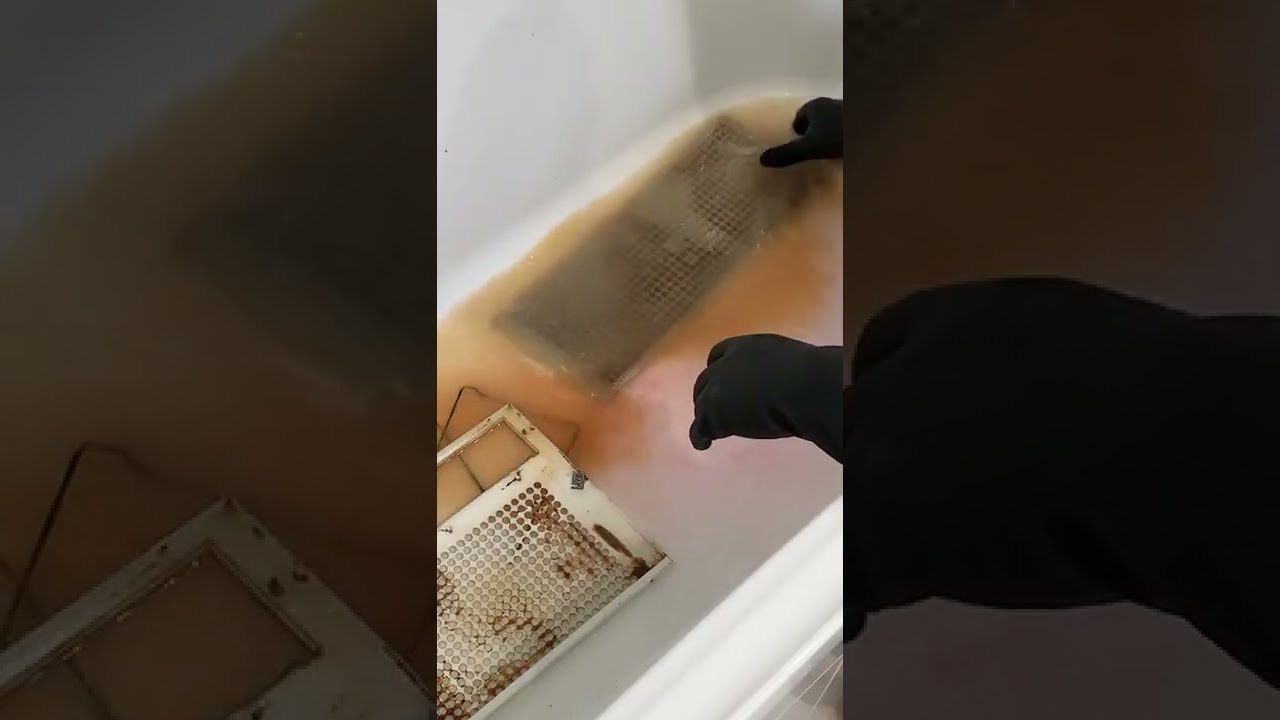
- Dust and Debris: This is the most obvious issue, accumulating in ducts, vents, and filtration units. Biological Growth: Mould and mildew thrive in damp, poorly ventilated areas, turning your airflow into a spore delivery system. Grease and Oil Buildup: Especially prevalent in kitchens and commercial spaces, accumulated grease drastically reduces airflow efficiency and poses a fire hazard. System Blockages: Over time, lint, pet hair, and even nesting animal materials can physically block critical airflow paths.
Local Compliance: Sydney’s Unique Requirements
Sydney's climate and building density necessitate specific compliance measures. Local councils often enforce standards regarding moisture control and pollutant removal. Simply cleaning the filters might not be enough; sometimes, the underlying ductwork needs professional deep cleaning or modification to meet modern standards.
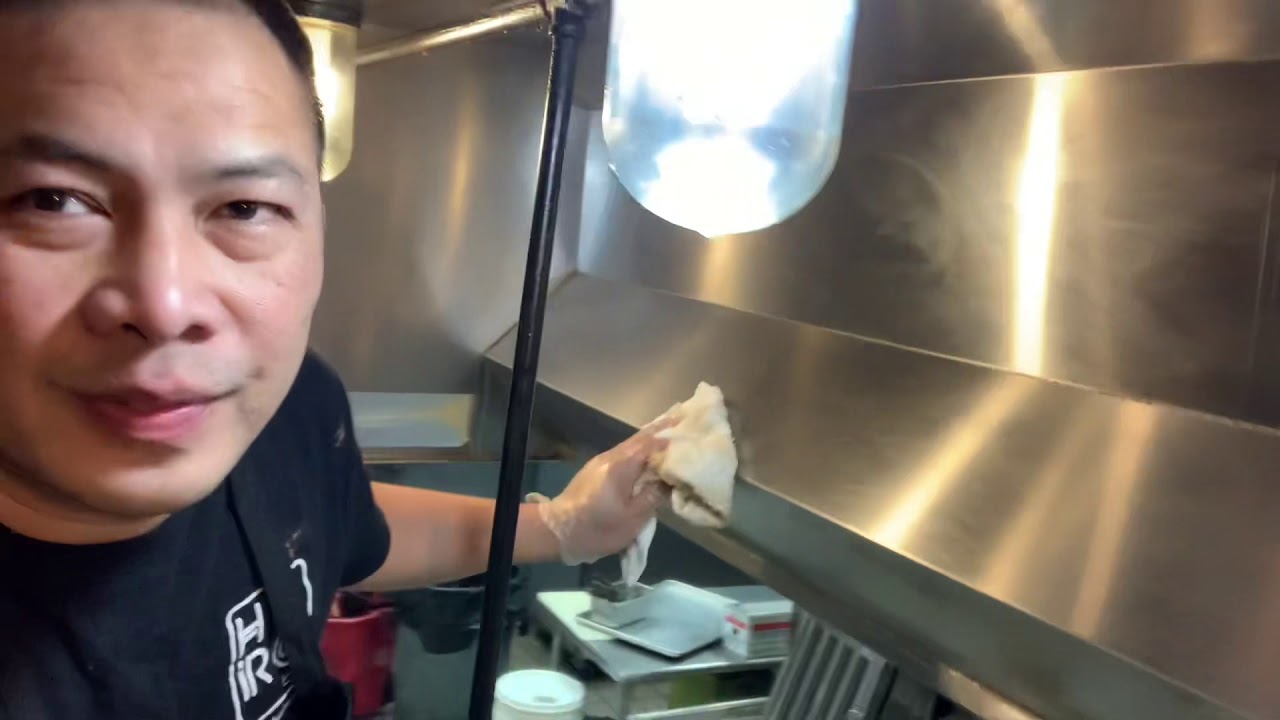
A local contractor recently shared an anecdote about a client who thought a simple filter change was enough. "They treated it like a car oil change," the contractor noted. "But the problem was deep within the ductwork, where years of humidity and dust had created a veritable sludge. It was a complete overhaul, not a quick fix." This highlights that sometimes, the solution is much deeper than the surface inspection.
Taking Control: How to Avoid Fines for Unclean Ventilation Sydney
Preventative maintenance is the single most effective shield against legal penalties and health crises. Being proactive is far cheaper and less stressful than being reactive.
DIY Maintenance Tips for Everyday Owners
While some tasks can be managed at home, these simple steps keep you in the right ballpark:
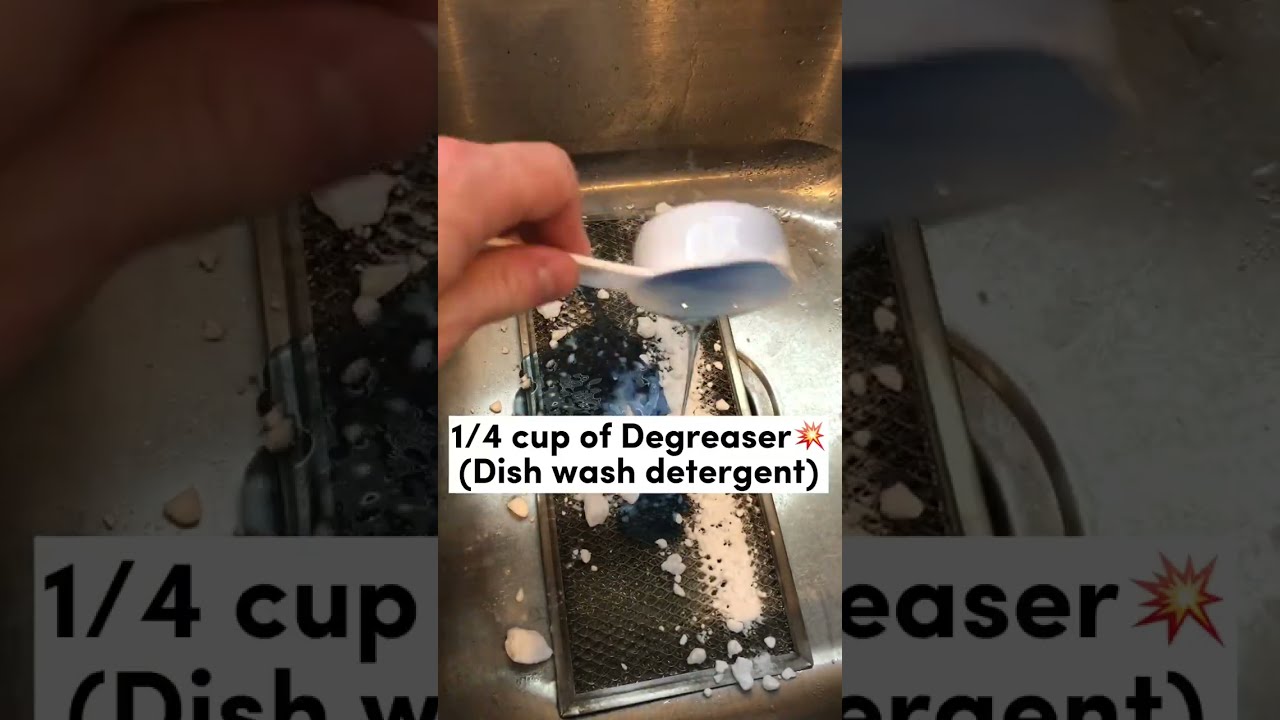
- Filter Replacement: Change HVAC filters according to the manufacturer’s schedule—never wait until you can’t breathe through them! Visible Vent Cleaning: Use a vacuum cleaner with a brush attachment to remove visible dust from registers and vent grilles. Humidity Monitoring: Use hygrometers to ensure indoor humidity remains between 30% and 50%. This range discourages mould growth.
However, when it comes to the internal workings of the ductwork—the unseen arteries of your home—you are venturing into professional territory. Are you really sure that a quick spray of disinfectant is going to solve years of accumulated grime?
When Professional Intervention is Non-Negotiable
To truly avoid fines for unclean ventilation Sydney, professional assistance is often mandatory. Experts possess the specialized equipment to inspect the entire system, including hidden ductwork and ventilation shafts. They can identify root causes—be it condensation leaks, structural flaws, or severe biological buildup—that a homeowner simply cannot see.
A professional service will typically perform a comprehensive assessment, which includes:
- Duct Cleaning: High-powered vacuuming and sanitizing of all ductwork. System Balancing: Ensuring that air flows evenly to all occupied areas. Air Quality Testing: Using specialized equipment to measure VOCs, mould spores, and particulate matter.
This detailed inspection ensures that your system isn't just looking clean, but is measurably performing optimally.
Future-Proofing Your Indoor Air Quality Investment
Maintaining optimal ventilation is not an expense; it is a crucial investment in the longevity, safety, and habitability of your property. Think of your ventilation system as the beating heart of your home—you wouldn't ignore a failing heart, would you?
The goal should always be to create a positive pressure environment where fresh air constantly pushes out stale air. By integrating regular professional services, you are not just passing an inspection; you are elevating your living standard.
Ultimately, understanding the complexities of air quality laws means recognizing that breathable air is a right, not a luxury. By taking these structured, informed steps—from routine filter changes to comprehensive professional duct cleaning—you ensure that your home remains a healthy haven. If you want to keep your property compliant and your lungs happy, consulting with certified local experts who specialize in ventilation remediation is the smartest move you can make. Don't wait for a warning letter; take control of your air quality today.