For any professional kitchen, the range hood is more than just a fixture; it is the unsung hero of ventilation. It captures the smoke, the steam, and, most critically, the rendered fats that are the hallmark of culinary excellence. However, this very success—the delicious, grease-laden cooking—is also the primary enemy of the hood itself. If left unchecked, the buildup of carbonized grease and particulate matter can transform a critical piece of equipment into a genuine fire hazard. Understanding what is the process for commercial range hood cleaning? is not merely a matter of maintenance; it is a vital step in ensuring kitchen safety, compliance, and operational efficiency.
Why Professional Cleaning Is Non-Negotiable in Commercial Kitchens
Many people view commercial cleaning as an inconvenience, a necessary evil to be scheduled between shifts. However, thinking of it as a mere chore misses the point. The grease buildup inside these systems is a volatile, sticky compound that, over time, acts like a slow-burning fuse. Ignoring the buildup is like letting a small leak become a raging flood—eventually, something has to give.
The Hidden Dangers of Grease Accumulation
The primary risk associated with neglected range hoods is fire. Grease is highly combustible, and when it coats the ductwork, filters, and exhaust motors, it presents a massive fuel load. Beyond the immediate threat of fire, there are other critical issues that arise:
- Reduced Efficiency: Thick grease layers impede airflow, forcing the ventilation system to work harder. This means your kitchen’s HVAC system struggles, leading to poor temperature control and humidity issues. Damage to Equipment: The sheer weight and corrosive nature of hardened grease can strain motors, weaken duct joints, and eventually require costly replacements. Health and Compliance Issues: Grease particles can also harbor bacteria and mold, making the air quality subpar. Furthermore, regulatory bodies require documented, professional cleaning to maintain operational licenses.
What Does Professional Cleaning Actually Entail?
Unlike a quick wipe-down that a kitchen staff might perform, professional cleaning is a deep, methodical process that tackles every component of the system, from the visible hood canopy down to the hidden ductwork. This process goes far beyond scrubbing; it involves specialized chemicals, industrial vacuums, and techniques designed to penetrate the most stubborn, carbonized deposits.
The scope of the work is often underestimated. It’s not just the visible filters; the true challenge lies in the grease that has settled into the seams and the ductwork—a greasy, complex ecosystem that needs specialized knowledge to navigate.
The Detailed Steps of Commercial Range Hood Cleaning
When you ask what is the process for commercial range hood cleaning?, https://www.mixcloud.com/lewartcwip/ the answer is a multi-stage operation that requires a blend of chemistry, engineering, and sheer elbow grease. It is a systematic dismantling and deep purification ritual.

Preparation and Safety Protocols
Before a single chemical is applied, safety is paramount. The process begins with a thorough assessment of the entire system. Technicians must first:
- Power Down and Isolate: The entire ventilation system must be electrically isolated and powered down to prevent accidental activation. Initial Inspection: They examine the ducts, filters, and motors to document the level of contamination. This assessment determines the scope and the specialized chemicals needed. Containment: The area is protected, ensuring that grease residue and chemical runoff do not contaminate the surrounding kitchen environment.
Cleaning the Components: Filters, Ducts, and Canopy
The core of the cleaning process is the physical removal and decontamination of the three major components:
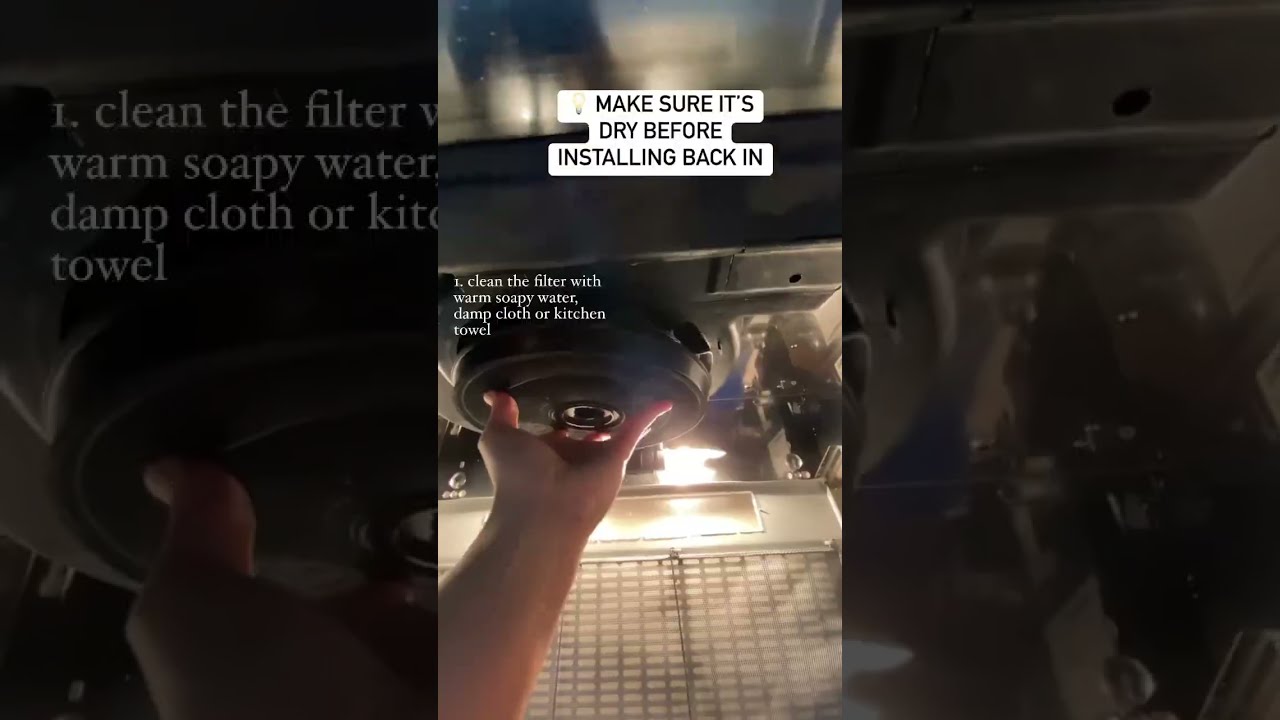
Filter Cleaning: Filters are the most visible point of contamination. They are carefully removed and treated, often using specialized degreasers and high-powered washing equipment. Ductwork Cleaning: This is arguably the most critical and challenging part. The ductwork must be physically accessed (sometimes requiring ceiling panels to be opened) and scrubbed. Technicians use specialized vacuum systems and non-abrasive cleaning tools to remove layers of hardened grease that have accumulated over years. Hood Canopy and Components: Finally, the main hood canopy, motors, and structural components are cleaned. This ensures that the entire system operates with the smooth, efficient flow it was designed for.“A clean system doesn't just look good; it's an insurance policy for your operation,” notes one industry veteran. This highlights that the service is not merely aesthetic, but fundamentally protective.
Beyond the Clean: Maintaining Culinary Excellence
The job isn't finished once the crew packs up their equipment. Proper maintenance is the secret ingredient to keeping your kitchen running smoothly for years to come. Why treat cleaning like a one-time fix when it should be viewed as a continuous cycle of care?
Establishing a Routine Schedule
The frequency of service depends heavily on the type of cooking done. A bakery, for example, will have different grease accumulation challenges than a high-volume deep-fry restaurant.
To maintain peak performance, consider these guidelines:

- Routine Checks: Quarterly inspections are often recommended, even if deep cleaning isn't immediately needed. Deep Cleaning: Scheduling a complete, professional cleaning annually is standard best practice. Monitoring: Staff should be trained to report visible signs of inefficiency, such as unusually loud motors or visible grease streaks, as these can be early warning signs.
DIY vs. Professional Intervention
While some small, surface-level cleaning can be done by in-house staff (like washing filters), tackling the internal ductwork is strictly professional territory. The chemicals and specialized equipment required to properly clean the ductwork are too powerful and complex for general use. Attempting a DIY clean is like trying to fill a leaky boat with a teaspoon—it simply won't cut it and could, worse, damage the system.
If you are unsure about the depth of cleaning required, how can you be certain you are adhering to all local fire codes?
Sustaining the Heart of the Kitchen
The journey of keeping a commercial kitchen operating at peak performance is a marathon, not a sprint. By understanding what is the process for commercial range hood cleaning?, you move from simply reacting to emergencies to proactively protecting your investment. Proper maintenance ensures that your ventilation system is always ready to handle the intense, wonderful chaos of a busy kitchen.
Investing in expert cleaning services is an investment in safety, efficiency, and the reputation of your establishment. Don't wait for that tell-tale smoke alarm (or worse) to sound before addressing the buildup. A professional maintenance plan is the perfect way to ensure your culinary masterpieces can continue to be created safely, year after glorious year.